
Platforms
We've migrated to our new HPC and AI platforms. For the latest updates, visit our Support Documentation.
NeSI platforms provide the Aotearoa New Zealand research community with access to a national data-centric and data-intensive research computing environment built on leading edge HPC, AI and data systems.
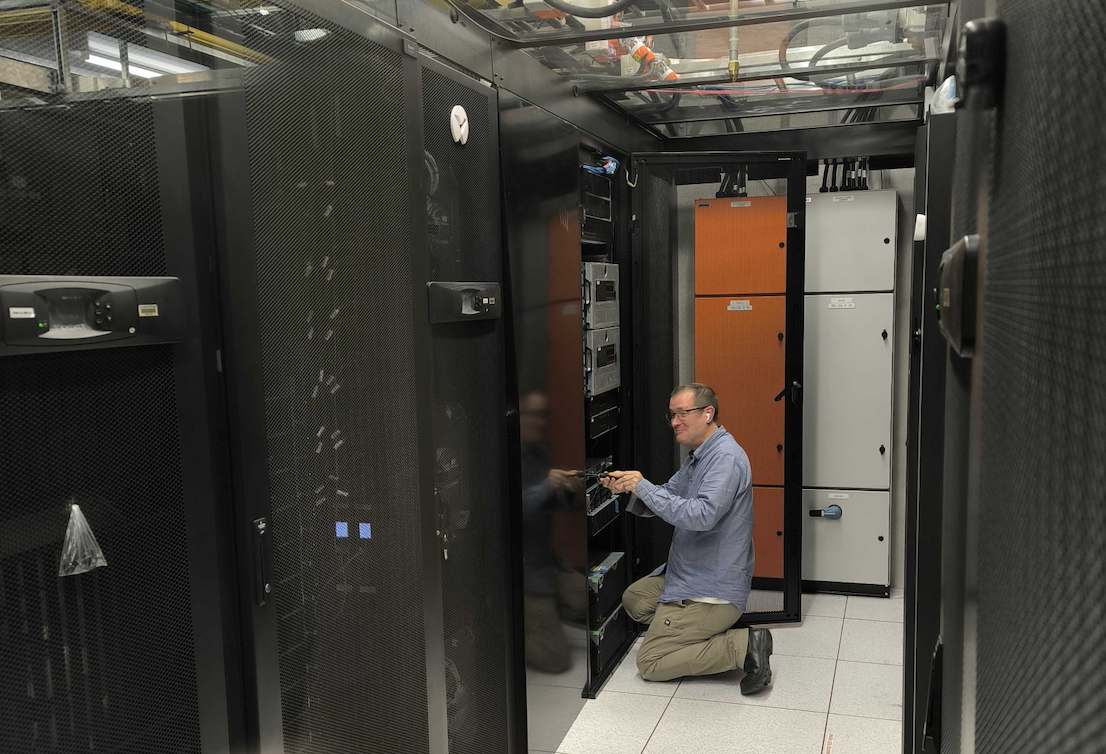
Mahuika
Mahuika takes its name from the Māori goddess of fire, who was also the grandmother of Māui. In customary lore, Māui sourced fire for his people by convincing Mahuika to hand over flames burning from her fingers.
As part of NeSI's national platform, Mahuika powers research across a range of fields, from ecosystem modelling, to engineering simulations, to language analysis, to human and taonga species genomics.
Mahuika includes:
Powerful CPU nodes to keep pace with ongoing growth in data, complexity of models, and a spread of computational maturity across research communities.
A range of advanced Graphics Processing Unit (GPU) cards, paired with specialised software and tools for machine learning, to support more analysis at scale.
Specialised high-memory capabilities, to allow rapid simultaneous processing for faster results and insights.
As a Capacity HPC resource (i.e. a Cluster), Mahuika allows researchers to run many small compute jobs (e.g. from one core to a few hundred cores) simultaneously, also known as High Throughput Computing.
More information about the Mahuika system can be found in our Support Documentation pages, including:
- Mahuika technical overview
- Compiling software on Mahuika
- Mahuika Slurm partitions
- Using Jupyter on NeSI
- GPU use on NeSI
Getting started on the platforms
- To begin using NeSI platforms, you must first apply for access.
- If you are new to using NeSI (or would like a refresh), you can attend an introductory workshop.
- To see what's available, browse the programming environments, supported applications, and NeSI file systems and quotas.
- Subscribe to System Updates to be notified of planned outages or system incidents.
- Any questions, big or small, can be sent to our Support team - don't hesitate to reach out!
More Information
- For additional technical details or instructional guides for getting started on NeSI platforms, visit our NeSI User Support Centre.
- If you would like more information about how NeSI can support your research needs, contact support@nesi.org.nz.